Table Of Contents
Negligent Security Injury Claims In Maricopa County, Arizona
Arizona has always been considered the Wild West, but these days, it seems like more and more areas in our state feel unsafe. Police do the best they can to enforce local laws, but unfortunate attacks sometimes occur, which can result in serious injury. The assailant may or may not be caught, and may or may not have the funds to pay for the victim’s medical bills, lost wages, and more. Here, a plaintiff may need to seek additional parties that can be held liable for their injuries in order to receive compensation. In some instances, a plaintiff’s injuries can be at least partially attributable to a premises’ lack of security. But bringing an injury claim under this legal theory can be complicated for a plaintiff already experiencing pain, trauma, and more. To discuss how one of our experienced Arizona injury lawyers could assist in your situation, schedule your free consultation today at 480-470-1504 for more information.

Elements of a Negligent Security Claim
If someone is attacked in a public place, pursuing a negligent security claim is done under the theory of premises liability in Arizona. This theory doesn’t kick in just because an attack or another crime occurred on a property. There are four elements that must be established in a premises liability claim:
- Duty of care: The owner of the establishment had a legal duty to protect visitors and customers from foreseeable harm.
- Breach: The owner of the establishment breached their duty of care by failing to provide or maintain reasonable security measures.
- Foreseeability and causation: The attack was foreseeable (attacks had happened at the premises before or at nearby establishments) and the lack of security directly contributed to the attack occurring.
- Damages: The plaintiff suffered harm, whether that’s physical, emotional, financial, etc.
Common Security Negligence Scenarios
Almost any type of premises can be held liable for a lack of security once a duty of care has been established as described above. Some examples that could theoretically occur in Maricopa County include:
- Apartment complexes. Phoenix, Glendale, Mesa. Broken parking garage gates, malfunctioning apartment unit locks, dark stairwells, unmonitored courtyards and common areas
- Bars and nightclubs. Old Town Scottsdale, Mill Avenue. Excessive use of force by bouncers, failure to screen for concealed firearms and other deadly weapons, failure to intervene in an escalating bar fight
- Parking garages and malls. Scottsdale, Tempe, Downtown Phoenix. Dark or unlit areas, broken emergency call devices, blind spots in security camera coverage
- Shopping centers and gas stations. Transit centers, Phoenix Metro. Poor lighting or lack of security camera coverage around an ATM, unpatrolled premises late at night, lack of panic button device
Don’t Forget to Include These Damages in Your Demand Letter
A mistake that is all too common among personal injury claimants is omitting or undervaluing any damages that should be a part of their claim. A defendant could be liable for far more than a plaintiff’s medical bills if they are found to have been negligent in providing security for their premises. If the plaintiff fails to include any of them in the demand letter, they will be starting the negotiations too low, and it will be almost impossible to work the claim back up to its true full value. This is why it’s so important for plaintiffs to receive guidance from a plaintiff’s personal injury attorney before discussing their case with the opposing party. The damages your attorney will help you calculate include:
- Medical bills: These are the medical expenses that you have accrued so far. The plaintiff should demand medical bill costs before health insurance coverage deductions, as the health insurance company will be compensated as well.
- Projected medical expenses: A plaintiff may never fully recover from serious accident injuries. If the plaintiff will need lifelong medical care, it requires especially careful calculations and possibly cooperation among multiple medical professionals.
- Lost wages: When a person has been injured due to a company’s negligent security measures, they may have doctor’s orders to stay home and rest for a significant amount of time. This can significantly rack up how high an injury award should be.
- Lost projected income: Just like a defendant can be held liable for a plaintiff’s projected medical expenses, they can also be held liable for a plaintiff’s lost projected income. This is possible when the plaintiff’s injuries are so pervasive and permanent that they will be seriously limited in advancing within their career path, or that they need to find a new career field altogether. This type of damage may also require collaboration from multiple experts to estimate with accuracy.
- Pain and suffering: This damage can encompass many of the physical and emotional aspects of an accident and its aftermath. From the shock and fear felt during the accident, to the stress of finding a doctor and attending appointments, to the sleepless nights wondering about how their injuries will affect their future, it’s crucial that the plaintiff doesn’t undervalue their pain and suffering damages. And to calculate pain and suffering, it’s also important not to undervalue any of the rest of the applicable damages. One of the most common ways to estimate pain and suffering damages is with the multiplier method. Here, all of the plaintiff’s other damages are multiplied by a factor between one and five to find their pain and suffering damages. This damage could be especially high in a security negligence case because of the trauma experienced by the plaintiff.
Evidence for Security Negligence Claim
When bringing a premises liability claim against a defendant for security negligence, there are certain pieces of evidence that tend to be useful in proving the plaintiff’s arguments. This isn’t proof that the attack occurred, but proof that the premises owner should be liable for lack of security. Security footage can prove if cameras were broken or unmonitored, but the plaintiff should also request security logs and guard schedules. There may be complaints and maintenance requests from residents alerting the premises owner to issues like broken gates, malfunctioning locks, etc. Call grids and police crime logs can show similar crimes that have occurred in the nearby vicinity. A site inspection to assess things like lighting and access control can also help a plaintiff prove that the defendant had negligent security measures. Work with your attorney as quickly as possible after the attack to preserve this evidence for your claim.
Looking for Experienced Arizona Injury Claim Representation with Competitive Contingency Fees with No Money Down? Start Here with Your Free Phone Consultation
Suing a business owner for premises liability typically means they will have a significant insurance policy, which is both good and bad news for the injury victim. The good news is that there are deep pockets to pursue for damages. The bad news is that the other side will be represented by experienced litigators provided by the insurance company. This can make it nearly impossible to collect when the plaintiff pursues a personal injury claim under self-representation. But hiring a Arizona personal injury attorney is more affordable and straightforward than most of our clients initially think before speaking to us via a consultation. Learn more with your free consultation by phone today at 480-470-1504 for more information.

MY AZ LAWYERS
Email: [email protected]
Website: www.myazlawyers.com
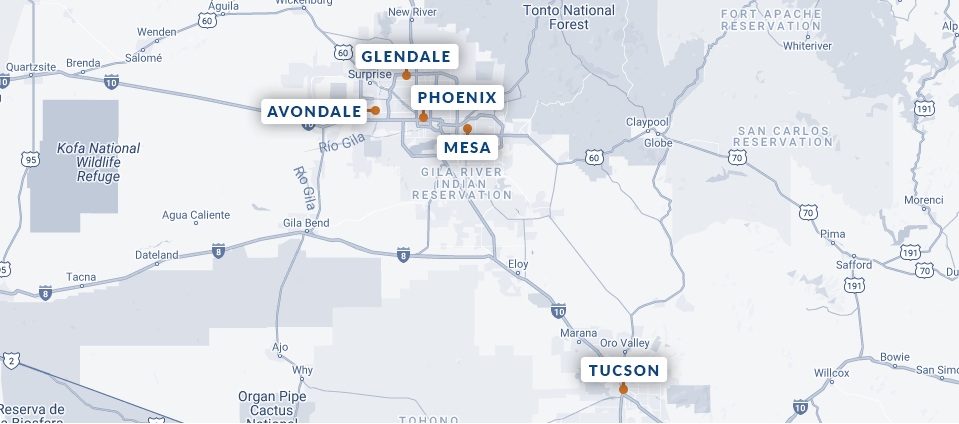
Mesa Location
1731 West Baseline Rd., Suite #100
Mesa, AZ 85202
Office: 480-448-9800
Phoenix Location
343 West Roosevelt, Suite #100
Phoenix, AZ 85003
Office: 602-609-7000
Glendale Location
20325 N 51st Avenue Suite #134, Building 5
Glendale, AZ 85308
Office: 602-509-0955
Tucson Location
2 East Congress St., Suite #900-6A
Tucson, AZ 85701
Office: 520-441-1450
Avondale Location
12725 W. Indian School Rd., Ste E, #101
Avondale, AZ 85392
Office: 623-469-6603