Table Of Contents
Filing For Bankruptcy As A Disabled Person In Arizona
Life presents more challenges to those with disabilities, and sometimes those challenges are financial in nature. This may eventually lead to debt that can escalate to a point where the person can no longer handle it on their own. When debt becomes too much to bear, bankruptcy might be a viable option to wipe out liabilities and clear the path to a better financial situation after discharge. But there are special considerations to remember for debtors who have disabilities, whether or not that’s related to their filings. Read on to learn more about these considerations so you can plan how they might affect your own bankruptcy filing in Arizona. To visit our website to schedule your free consultation by phone, call our office today at 480-470-1504.

Will I Lose My Social Security Benefits If I File for Bankruptcy?
This is usually the number one question asked by potential bankruptcy debtors with disabilities. Disability benefits often make up a huge part, if not all, of a disabled person’s budget. If filing for bankruptcy puts those benefits at risk, it may make filing less attractive and other forms of debt relief more appealing. The good news is that Social Security benefits are exempt from bankruptcy. They do not count as income, and filing for bankruptcy doesn’t affect a person’s ability to receive social security benefits. Filing for bankruptcy will not reduce or cancel a Social Security recipient’s monthly payments.
While social security benefits are exempt from bankruptcy, it’s still useful for a disabled debtor to make that clear with their financial records. Disability funds should be kept in their own bank account, separate from passive income, gifts, side gigs, etc. This makes it crystal clear that anything in that bank account should be excluded from the bankruptcy process. A debtor should also be careful if they have received a lump-sum disability payment before bankruptcy. While it should be exempt, it could cause issues if used to pay back certain creditors, including informal creditors like family and friends, in the months preceding the bankruptcy filing. Be clear and honest with your bankruptcy lawyer about your spending if you don’t want these types of issues to arise.
Qualifying for Chapter 7 Bankruptcy
Chapter 7 bankruptcy wipes out unsecured debts, while chapter 13 bankruptcy pays them off in a payment plan lasting 3 or 5 years. It’s easy to see why most bankruptcy debtors would prefer to file their petition under chapter 7. The good news for disabled bankruptcy debtors is that they usually have a straightforward path to chapter 7 bankruptcy eligibility.
There are two ways to show income qualification for chapter 7 bankruptcy: household income comparison to the state median and the means test. The former is simpler, and many disabled bankruptcy debtors won’t have to proceed to the second method of income-qualifying for chapter 7. Social security benefits are exempt as income in bankruptcy, so if that is the potential debtor’s primary form of income, they will almost certainly qualify for chapter 7 bankruptcy. Even a part-time job should land the debtor well below the state median income level if the rest of their income equals “zero” due to its status as a social security benefit. Debtors receiving government assistance typically also qualify for a filing fee payment plan or waiver.
When Does Chapter 13 Bankruptcy Make Sense?
Many disabled bankruptcy debtors are better served by chapter 7 bankruptcy because it wipes out unsecured debt relatively quickly. Chapter 13 bankruptcy instead locks the debtor into a payment plan lasting 3 or 5 years. It also requires the debtor to have a high enough income to pay off certain debts, instead of a low enough income to show the debtor can’t reasonably pay off their debts. This can make it highly difficult for a disabled debtor to qualify for chapter 13 bankruptcy. When it is possible, some of the scenarios that make it advantageous include:
- The debtor needs to stop a home foreclosure on their home, especially if it has modifications for their disability. Chapter 13 allows them to spread out those back payments over 3-5 years while the foreclosure is put on hold by the automatic stay. Chapter 13 can also be preferable if the debtor has more than one mortgage on their home, as chapter 13 has the potential to clear junior home mortgages.
- The debtor needs to stop a repossession of their vehicle, especially if it has modifications for their disability. The same concept of stopping a home foreclosure with chapter 13 bankruptcy also applies to vehicle repossessions.
- The debtor has some other asset that wouldn’t be protected in bankruptcy. Maybe they have a second vacation home they rent out for income, or are awaiting a significant award as a lawsuit plaintiff. If that asset isn’t protected, sometimes the extra cost of filing chapter 13 instead of chapter 7 is worth it.
Bankruptcy Exemptions
Bankruptcy exemptions are applied to a debtor’s assets so that they aren’t a part of the bankruptcy process. There are exemptions for a wide variety of assets, including the debtor’s home, car, furniture and other household items, electronics, jewelry, tools, and more. It should be noted that Arizona does not have a wildcard exemption, or one that the debtor can use on any asset of their selection, and does not allow debtors to opt into the federal exemptions, which do offer a wildcard exemption. But Arizona’s bankruptcy exemptions are written to recognize that people with disabilities may need to invest more in certain assets.
The motor vehicle exemption protects a debtor’s car, which could be how they get to work, school, medical appointments, the grocery store, and all the other tasks they need to accomplish as part of daily life. Typically, Arizona’s motor vehicle exemption only protects $15,000 equity in one vehicle. However, if someone has a disability, they may require specialized equipment to operate their vehicle, which makes it more valuable. Here, the motor vehicle exemption is increased to $25,000 equity in one vehicle.
Other bankruptcy exemptions could be particularly relevant to debtors with disabilities. The money benefits exemption protects all benefits from health, accident, and disability insurance with a few exceptions. It also protects different types of insurance policy benefits, although some of them are limited. The personal items exemption contains a provision that all prostheses, such as a wheelchair or a mobility device, are protected with no limit in bankruptcy.
Declare Bankruptcy with Confidence by Retaining Arizona’s Choice for High-Quality, Zero-Down Legal Counsel
Bankruptcy debtors have the right to represent themselves, although they generally have much lower success rates than those who file with legal representation. Filing for bankruptcy self-represented could be even more difficult for a person with disabilities. Take the complexity out of clearing your debts by retaining a dedicated law firm to handle your case. Our Arizona debt relief lawyers have helped thousands of households in Phoenix and Tucson get control of their finances and start over with a clean slate. Are you looking for a bankruptcy attorney you can trust with payment options starting as low as Zero Dollars Down for eligible clients? Schedule your free consultation with a member of our firm today by calling 480-470-1504.

MY AZ LAWYERS
Email: [email protected]
Website: www.myazlawyers.com
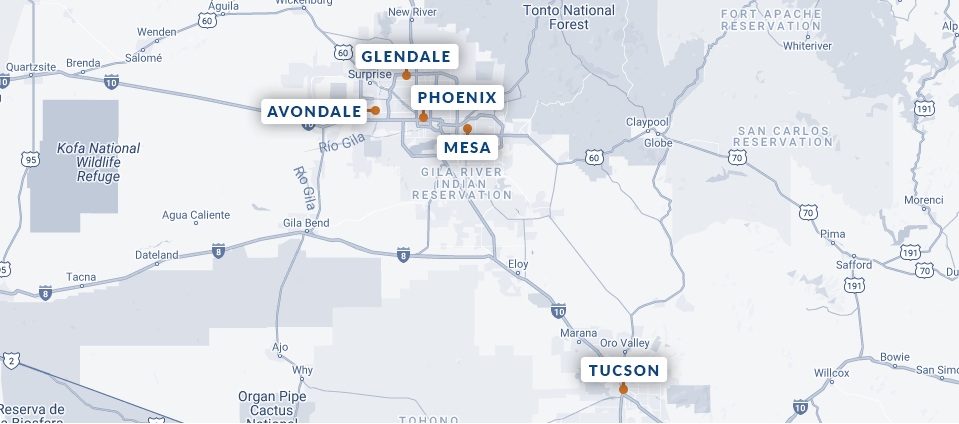
Mesa Location
1731 West Baseline Rd., Suite #100
Mesa, AZ 85202
Office: 480-448-9800
Phoenix Location
343 West Roosevelt, Suite #100
Phoenix, AZ 85003
Office: 602-609-7000
Glendale Location
20325 N 51st Avenue Suite #134, Building 5
Glendale, AZ 85308
Office: 602-509-0955
Tucson Location
2 East Congress St., Suite #900-6A
Tucson, AZ 85701
Office: 520-441-1450
Avondale Location
12725 W. Indian School Rd., Ste E, #101
Avondale, AZ 85392
Office: 623-469-6603