Table Of Contents
Read This If You’ve Been Charged With A Fentanyl Offense In Arizona
Our country has been plagued by numerous drug epidemics over the years. Opioids, originally meant as prescription pain relief, can spiral into substance abuse with deadly consequences. Fentanyl is notorious for producing a “lean” effect in users, leaving them folded over and vulnerable during their highs. It is also dangerous because just the amount of a few grains of sand can cause someone to overdose. Medications meant to reduce fentanyl overdoses have been growing in popularity and availability, but they haven’t been enough to curb the spread of fentanyl in Arizona and across the rest of the country. Lawmakers have responded by passing laws that harshly punish defendants convicted of any type of fentanyl offense. Anyone accused of such a crime should work aggressively to develop a legal plan to fit their needs. The dedicated attorneys at My AZ Lawyers offer seasoned legal experience with free consultations by phone. Get started today by calling 480-470-1504.

Fentanyl Penalties in Arizona
In Arizona, simple possession- less than 9 grams- of fentanyl is a class 4 felony. Here, the maximum jail sentence is 3.75 years, and the maximum fine is $150,000. But there are much more serious penalties for fentanyl if the defendant is found to have sold or transported fentanyl as opposed to merely possessing it for personal use. In Arizona, this increases the charges to a class 2 felony, the second most serious level of felony in the state. Here, for a first-time felony offender, the maximum sentence increases to 12.5 years. A first-time offender convicted of simple possession may be able to negotiate probation or a sentence suspension, but this option isn’t available for defendants accused of anything more than simple possession.
Sometimes it is obvious when a defendant has been engaged in the manufacture, transportation, or sale of illegal substances. Other times, it can be less clear whether the defendant was selling or only engaging in personal use. Some of the factors that can indicate sale, transport, etc. of illegal drugs include:
- The fentanyl being packaged as if it is for sale (wrapped, in a Ziploc baggie, labeled, etc.)
- The defendant had large amounts of cash on their person at the time of arrest
- Scales and other equipment meant to weigh and package materials being present
- The defendant had a large amount of fentanyl on them clearly not meant for personal use
The Ashley Dunn Act
The Ashley Dunn Act is an amendment to A.R.S. § 13-3408 specifically targeting fentanyl traffickers. It applies to defendants who are found to have at least 200 grams of fentanyl, an amount large enough to assume that it is meant to sell to others. This law dramatically increases the sentencing range for a convicted defendant. A first-time offense carries a presumptive sentence of 10 calendar years, and subsequent offenses carry a presumptive sentence of 15 calendar years. The minimum jail sentence here is 5 years with no possibility of probation, parole, or any type of early release.
School Zone Enhancements
Law enforcement has a special interest in keeping drugs- especially one as dangerous as fentanyl- away from children. That is why there are sentencing enhancements for defendants convicted of certain criminal offenses within school zones. Fentanyl offenses are among those subject to sentencing enhancements if the crime occurred within a drug-free school zone. In Arizona, a drug-free school zone is anywhere within 300 feet of a school or its grounds. The definition also includes any public property within 1,000 feet of a school, a school bus stop, or a school bus. It’s easy to imagine how many defendants end up committing drug offenses within a school zone without even realizing. Regardless of their awareness of being in a school zone, the penalties are much stricter. The sentencing guidelines the judge is to follow will be increased by one year. Any possibility of probation or a suspended jail sentence will be eliminated. There is also a mandatory fine associated with being convicted of a drug offense within a school zone. It needs to be the greater of $2,000 or three times the drugs’ street value. The fine is mandatory and can’t be suspended. The amount of time it takes defendants to pay off these fines is often longer than their jail sentences.
Helping Someone Experiencing a Fentanyl Overdose
If someone overdoses on fentanyl, they need to receive medical attention quickly, or it could be fatal. But there are legal concerns for someone who administers help to a person experiencing an overdose. If that person is also on drugs, they may fear being arrested if they call emergency services for someone who is overdosing on fentanyl. Additionally, the United States is notoriously litigious, and many people hesitate to get involved because they don’t want to be sued by the person they were trying to help if things go wrong. Arizona has protections in place to address both of these concerns for a person who wants to help someone experiencing a fentanyl overdose.
Arizona’s Good Samaritan law is A.R.S. § 13-3423. This law makes it unlawful for a person to be arrested for simple possession of a controlled substance if they seek medical assistance for someone experiencing a drug-related overdose. This law also makes it unlawful to charge the person experiencing the overdose for simple possession, as long as the evidence for the offense was gained as a result of their need for medical attention after an overdose. In other words, a person can’t be arrested just because they needed an ambulance after overdosing, but if they needed medical attention for overdosing after engaging in disorderly conduct or breaking other laws, they can still be charged with a crime. Additionally, this immunity only applies to simple possession, not trafficking, transportation, etc.
Fentanyl overdoses can be reversed if someone at the scene administers Narcan in a timely manner. A.R.S. § 36-2267 protects the person administering Narcan from civil liability for injuries that may occur while attempting to reverse a fentanyl overdose. They can only be sued for injuries if they acted with gross negligence, willful misconduct, or intentional wrongdoing.
Have You or a Loved One Been Arrested for a Fentanyl Offense in Arizona? Start Planning Your Defense Strategy with a Skilled Attorney Today.
There are serious legal repercussions for being convicted of possession, sale, trafficking, or manufacturing of fentanyl and other illegal substances in Arizona. These may come in addition to federal charges a defendant faces after being arrested for drug crimes. If that person doesn’t take swift action to protect their legal interest, they could be facing several years- possibly decades- behind bars. These criminal penalties make it even harder to bounce back from a substance abuse problem that claims so many lives. An experienced criminal defender knows how to work with the prosecution to deliver more positive results against drug charges in Arizona. Failing to explore every possible legal option could have life-altering consequences. But you don’t have to come out of pocket during an already expensive time to have your case reviewed by a dedicated top rated Arizona criminal defense lawyer. Schedule your free consultation with our firm today by calling 480-470-1504.

MY AZ LAWYERS
Email: [email protected]
Website: www.myazlawyers.com
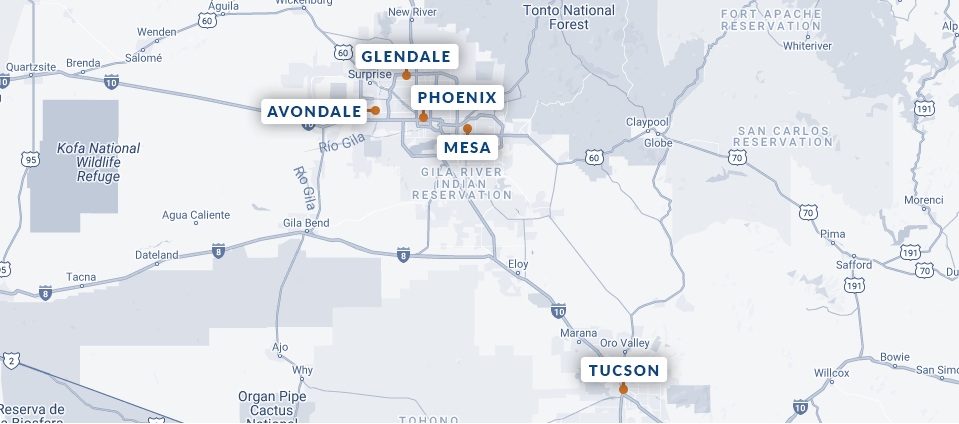
Mesa Location
1731 West Baseline Rd., Suite #100
Mesa, AZ 85202
Office: 480-448-9800
Phoenix Location
343 West Roosevelt, Suite #100
Phoenix, AZ 85003
Office: 602-609-7000
Glendale Location
20325 N 51st Avenue Suite #134, Building 5
Glendale, AZ 85308
Office: 602-509-0955
Tucson Location
2 East Congress St., Suite #900-6A
Tucson, AZ 85701
Office: 520-441-1450
Avondale Location
12725 W. Indian School Rd., Ste E, #101
Avondale, AZ 85392
Office: 623-469-6603